In most cities, the luxury home is a villa with a garden. In Dubai, it is just as often an apartment two hundred metres above the Gulf. Here is how the emirate became the world capital of vertical living, and what it takes to furnish a sky-high home in the desert.
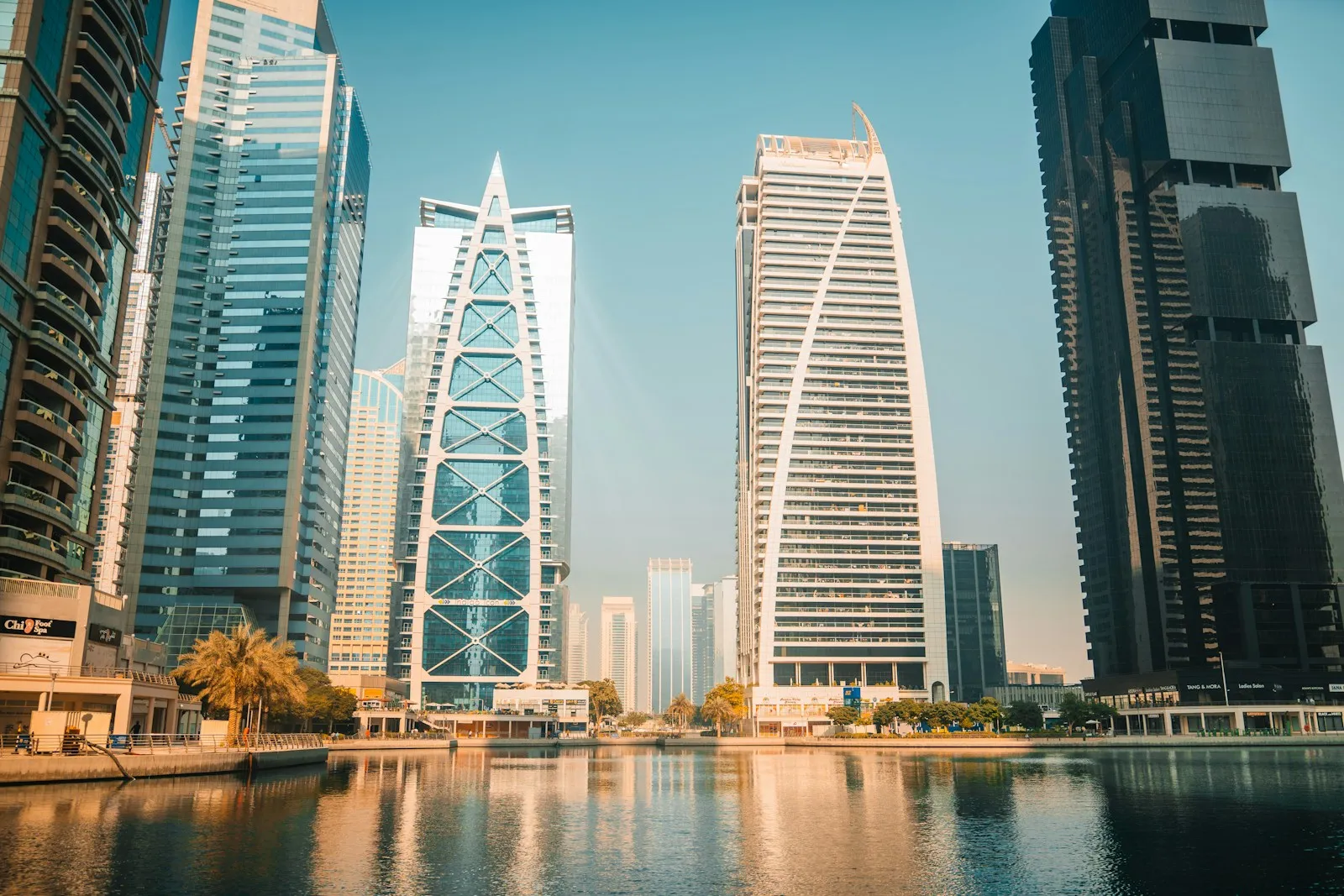
Few cities have embraced the residential tower as completely as Dubai. In barely a generation, the emirate has turned a coastline of low-rise neighbourhoods into one of the densest collections of skyscrapers on earth, and a large share of them are homes rather than offices. Penthouses with private pools, sky lobbies, hotel-branded residences and full-floor apartments are not exceptions here: they define what luxury means.
For the people who live in them, a tower residence is a particular way of life. The light is intense, the views stretch from the desert to the sea, air conditioning runs most of the year and every piece of furniture must travel through a service lift before it reaches its place. Understanding that environment is the starting point of any successful interior.
A skyline built for living
Dubai’s residential towers are concentrated in a handful of districts, each with its own character.
- Downtown Dubai. Built around the Burj Khalifa and the Dubai Fountain, it is the emirate’s most emblematic address, where apartments are valued for their views of the tower and the boulevard.
- Dubai Marina. A man-made waterway lined with high-rises, yachts moored at the foot of the buildings and a promenade that runs the length of the canal.
- Jumeirah Beach Residence (JBR). Directly on the beach next to the Marina, JBR combines residential towers with a lively seafront walk.
- Business Bay. Along the Dubai Water Canal, next to Downtown, a district where offices and new branded residences rise side by side.
- Palm Jumeirah. Better known for its villas, the Palm also hosts some of the city’s most exclusive apartment buildings and hotel residences, with the sea on both sides.
- Dubai Creek Harbour. A newer waterfront district on the historic Creek, planned as a complete neighbourhood of residential towers, parks and promenades.
Two policies explain much of the international appeal. First, Dubai’s real property registration law, Law No. 7 of 2006, allows foreign nationals to hold freehold title in areas designated for foreign ownership, which include districts such as Downtown Dubai, Business Bay and Palm Jumeirah. Second, the UAE’s Golden Visa offers a ten-year residence permit to investors who own property worth at least AED 2 million, subject to conditions on mortgages, off-plan purchases and documentation that should always be checked with the authorities before buying.
The results show in the figures. According to data from the Dubai Land Department reported by Gulf News, property sales in 2025 reached a record AED 682.5 billion across 214,912 transactions. Behind these numbers is a market where the tower apartment is the norm, and where design, services and views are the real differentiators.
Key facts
- Tallest buildingBurj Khalifa · 828 m · 163 floors · opened 2010
- Homes in the Burj KhalifaAbout 900 residences, levels 19 to 108
- Tallest residential projectSix Senses Residences Dubai Marina · 517 m · completion expected 2028
- Property sales, 2025AED 682.5 billion · 214,912 transactions (DLD)
- Golden Visa10 years from AED 2 million in property, subject to conditions
- Foreign ownershipFreehold in designated areas (Law No. 7 of 2006)
Figures as published at the time of writing (October 2026).
Iconic and branded towers
Dubai’s skyline mixes landmarks that are already part of architectural history with projects that are still rising. Three of them show how the idea of the luxury tower keeps evolving.
Burj Khalifa, Downtown Dubai
At 828 metres and 163 floors, the Burj Khalifa has been the tallest building in the world since it opened in January 2010. It is also a place to live: according to Guinness World Records, its residential section runs from level 19 to level 108 and contains around 900 homes. On the lower floors, the Armani Residences, created with Giorgio Armani, offer furnished suites alongside the Armani Hotel. Living here means sharing an address with one of the most visited buildings on the planet, with dedicated residents’ lobbies, a sky lounge and amenities reserved for owners and tenants.
Six Senses Residences, Dubai Marina
Developed by Select Group with the wellness brand Six Senses, this tower is planned to rise to around 517 metres over 122 storeys, with 251 residences. On completion, expected in 2028, it is set to become the world’s tallest residential tower. Its positioning illustrates a strong trend in Dubai: the branded residence built around a lifestyle, here sleep, wellness and spa programmes, rather than simply around a view.
Bvlgari Lighthouse, Jumeira Bay Island
At the opposite end of the scale, the Bvlgari Lighthouse, developed by Meraas on the private island of Jumeira Bay, is a 27-storey tower with fewer than forty residences, mostly penthouses, crowned by a multi-level sky villa. Due for completion in 2027, it shows that in Dubai, exclusivity is increasingly measured by rarity rather than height.
Around these flagships, dozens of other towers in Downtown, the Marina, Business Bay and on the Palm carry the names of hotel groups, fashion houses and luxury car makers. Each brand brings its own design language, and with it a clear expectation for the quality of interiors.
What defines a luxury tower residence
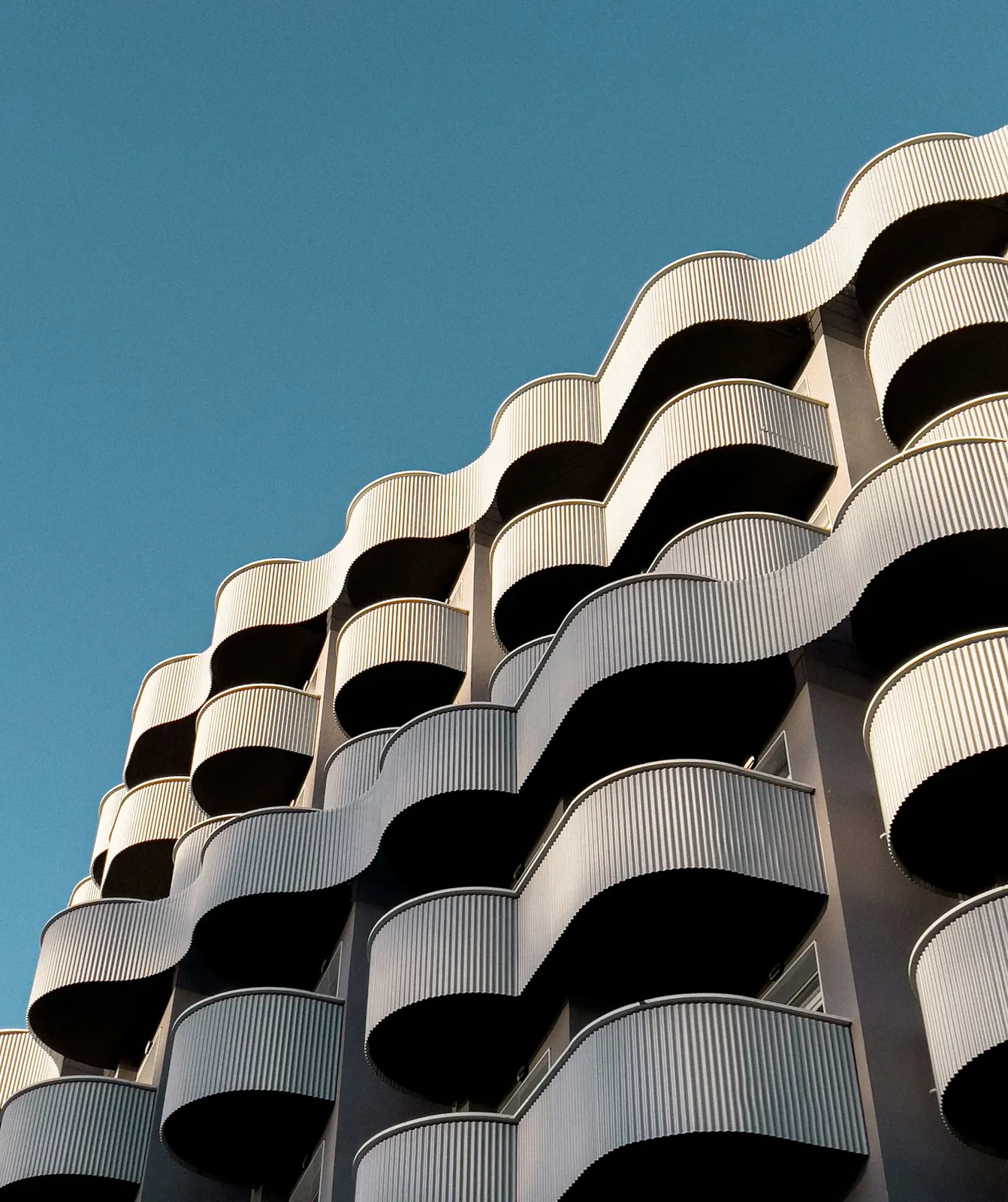
Beyond height, a few features separate a true luxury residence from a tall apartment block.
- Sky pools and private pools. Infinity pools on podiums and rooftops, and in the most exclusive penthouses, pools on private terraces.
- Penthouses and full-floor homes. Double-height living rooms, private lifts and layouts that occupy an entire level.
- Concierge and hotel services. Round-the-clock concierge, valet parking, housekeeping and in-residence dining, often run by the hotel brand that gives its name to the building.
- Wellness. Spas, gyms, treatment rooms and residents’ lounges are standard expectations.
- Home automation. Lighting, blinds, climate and audio-visual systems controlled from a single interface, which must be anticipated when furniture and joinery are designed.
Each of these features has a direct consequence for the interior. Floor-to-ceiling glazing changes how fabrics age; a home-automation system needs discreet integration into cabinetry; a terrace with a pool becomes an outdoor living room that deserves the same level of design as the one inside.
Furnishing a sky-high home in the desert
Furnishing an apartment high above Dubai is a technical exercise before it is an aesthetic one. Climate, altitude and logistics all shape the brief, and the best results come from solving them at the design stage rather than on delivery day.
Heat, UV, sand and constant air conditioning
Summers in the emirates are extreme: in 2025, the National Center of Meteorology recorded temperatures close to 50°C in parts of Dubai. Indoors, the challenge is the opposite one. Air conditioning runs for most of the year, keeping rooms cool and dry while the sun beats on the glazing. Solid wood reacts to these swings by moving, so cabinetmakers favour kiln-dried, stabilised timbers, engineered cores with fine veneers and construction details that let panels breathe. Fabrics and leathers are chosen for their UV resistance and tested against fading, and finishes are selected to withstand the fine sand that finds its way into every home.
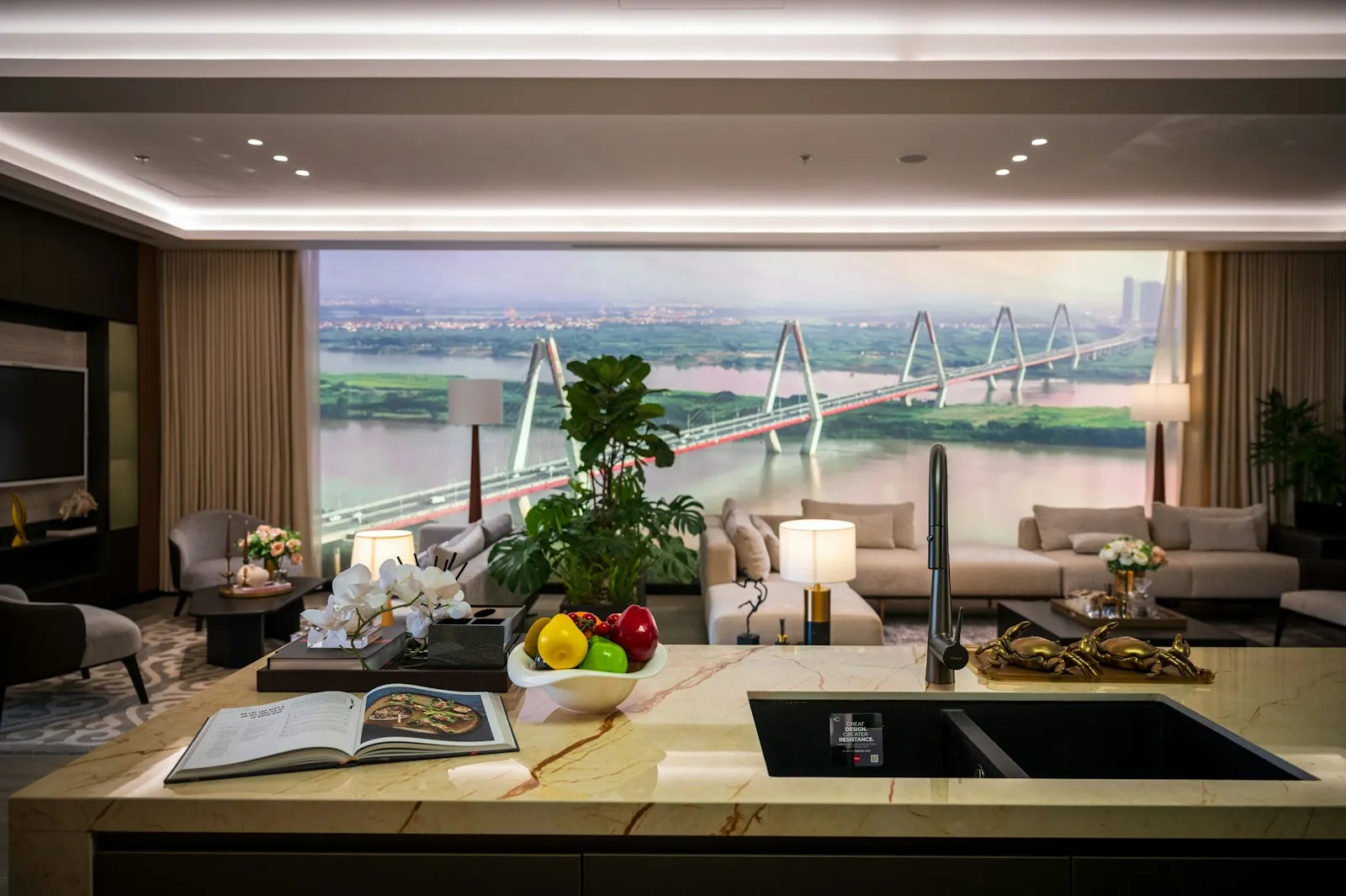
Layouts are designed to frame the view rather than compete with it: low profiles near the windows, seating oriented towards the horizon, and no tall piece interrupting the line of the skyline or the sea. This is the heart of our residential furniture service: designing each piece for the residence it will live in.
Terraces and sky gardens
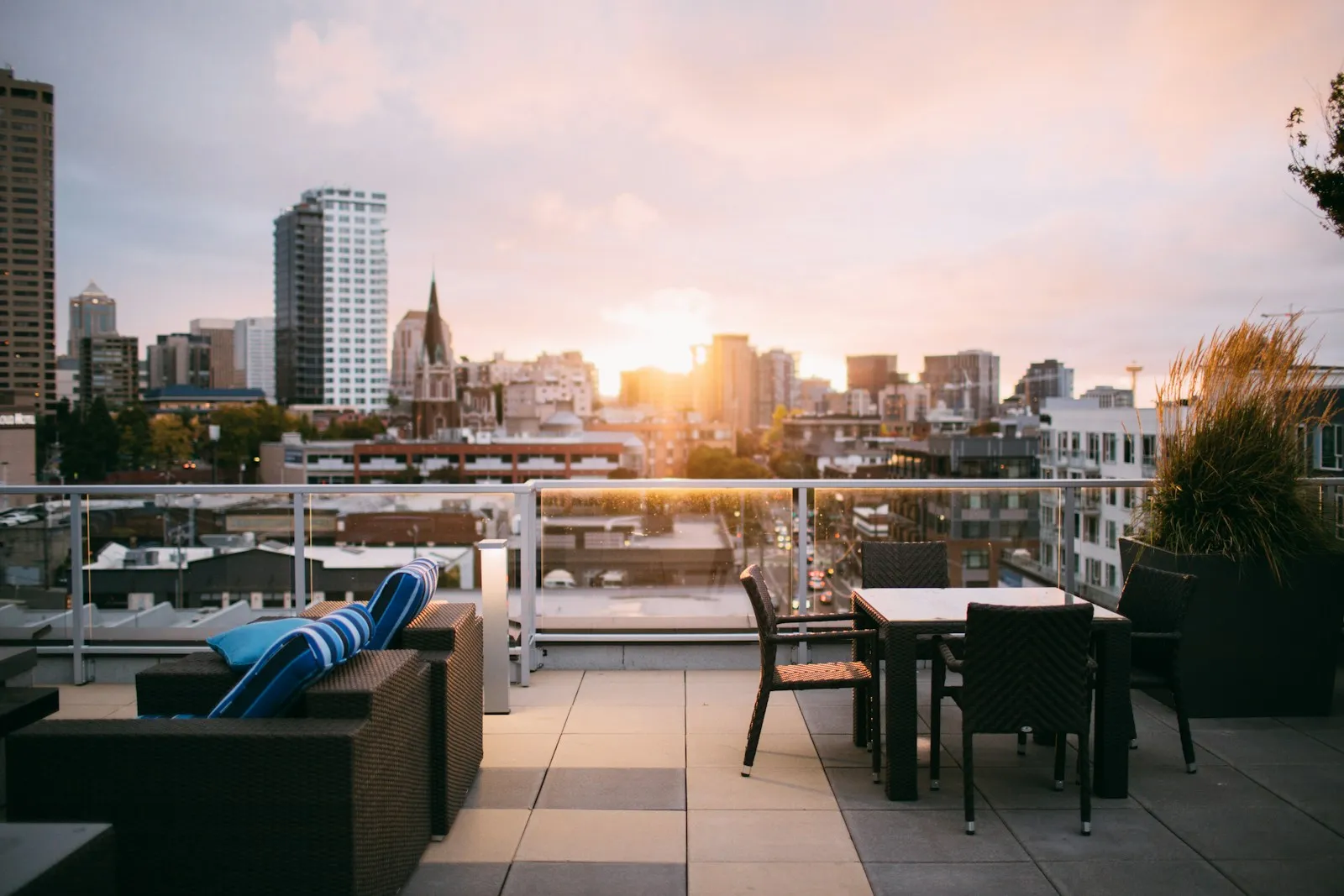
A high terrace in Dubai combines three demanding conditions: wind that is stronger than at street level, intense sun and heat that can make metal surfaces untouchable at midday. Outdoor furniture must be heavy enough or securely fixed to stay stable in gusts, built from materials that do not overheat, such as outdoor-grade teak, powder-coated aluminium in light tones and stone or ceramic tops, and upholstered with solution-dyed outdoor fabrics and quick-dry foams. Shade is part of the design from the start, with pergolas, awnings or umbrellas engineered for wind loads. Our outdoor furniture service is dedicated to these conditions.
Logistics: from European workshops to the 60th floor
Every piece made in Europe travels by sea or air freight, clears customs and is then delivered into a building with its own rules. Before drawings are finalised, the dimensions of service lifts, doors and corridors are surveyed, and the building management’s requirements for delivery permits, time slots and protection of common areas are confirmed. Large sofas, dining tables and headboards can be designed in sections that assemble invisibly on site, while joinery is built as modules and fitted in place. Planning the journey of each piece is as important as designing it.
Bespoke for hotels and branded residences
Branded residences sit between the private home and the hotel. Developers and operators need furniture that reflects the brand’s identity, meets hospitality standards for durability and maintenance, and can be produced consistently across many units, while owners expect pieces that feel personal. Bespoke manufacturing answers both needs, from prototypes approved by the brand to series production for model apartments, lobbies and amenities. Our hospitality furniture service works with hotels and residences on exactly these projects.
Dubai and the world’s tower capitals
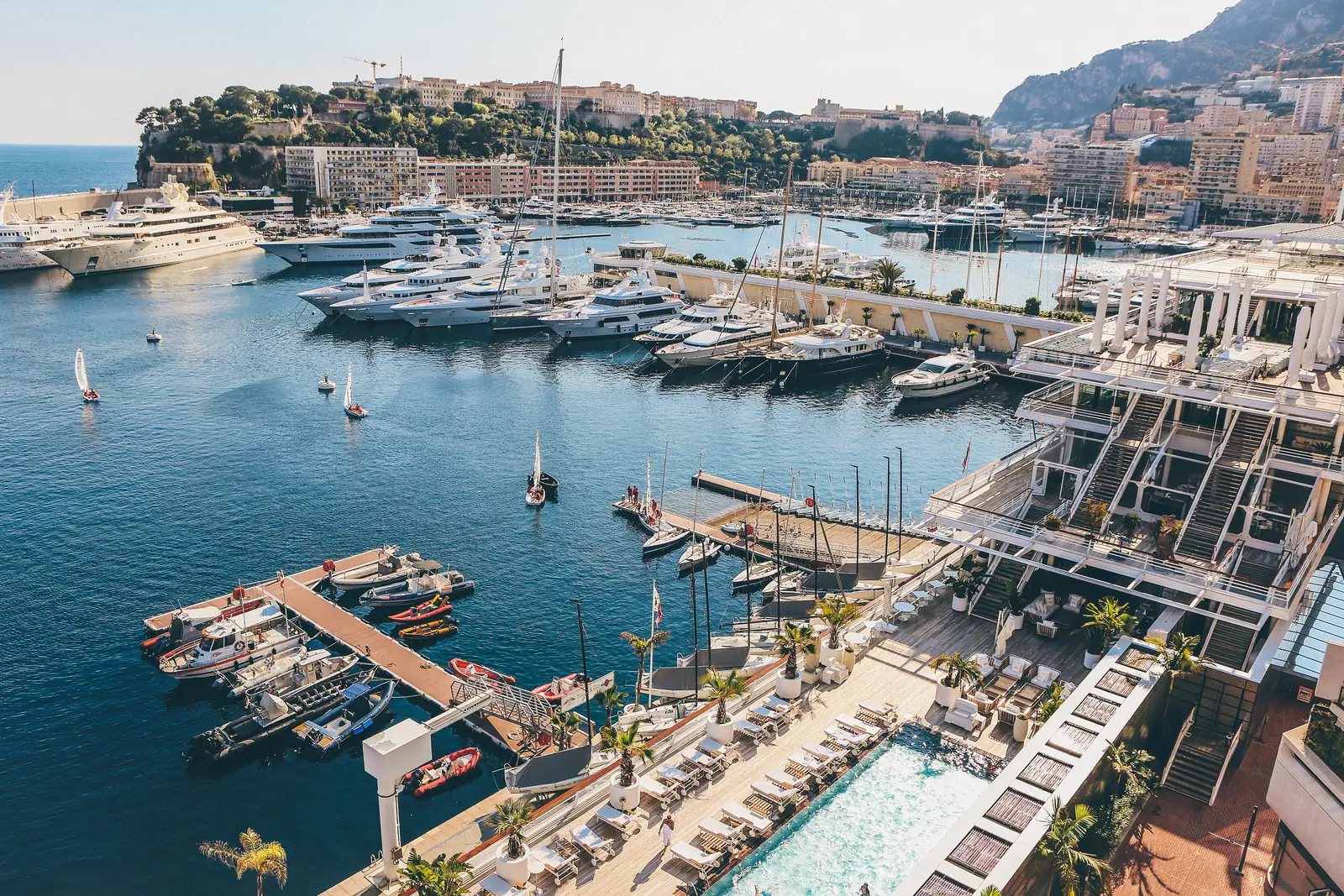
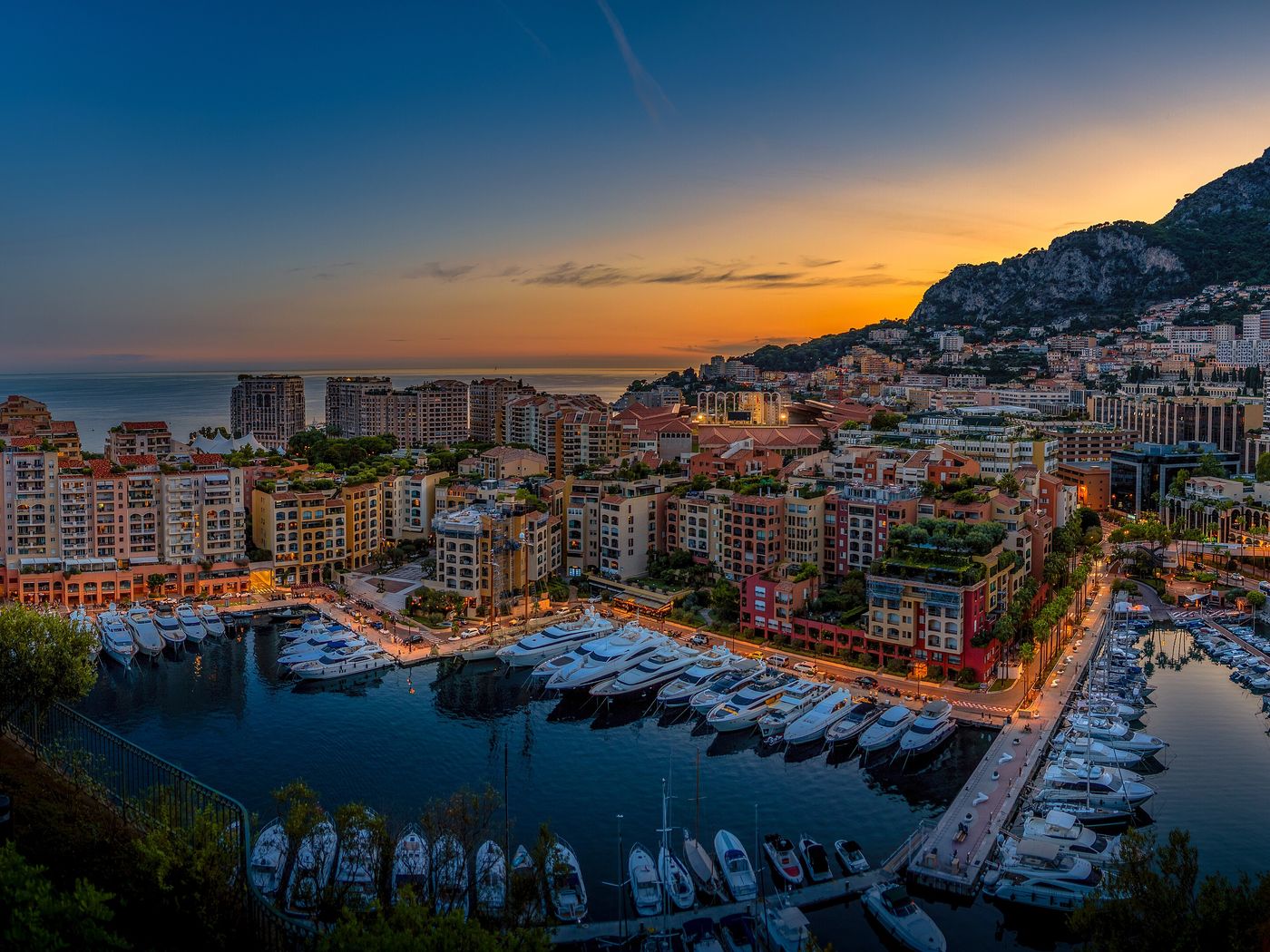
Dubai sets the pace, but other cities are writing their own vertical stories, from Monaco and Miami to Tel Aviv’s luxury residential towers. In Monaco, where territory is scarce, towers are rare and intimate, woven into a compact city a few minutes from the port; we explored them in our article on luxury residential towers in Monaco. Miami has made the waterfront condominium an art of resort-style living, with branded towers along Brickell and the beaches. Tel Aviv has seen a new generation of residential towers rise along its coastline and around its business districts. What sets Dubai apart is scale and ambition: nowhere else does the tower define the luxury market so completely, or push the limits of height and branding so far.
For an international clientele moving between these cities, expectations are consistent: impeccable craftsmanship, materials that age well, and interiors that feel personal rather than generic. That is precisely where bespoke furniture makes the difference.
The SOLIA approach

SOLIA designs and manufactures high-end bespoke furniture for private villas, residences, luxury hotels, restaurants and outdoor spaces, with projects across the Côte d’Azur, Monaco, Dubai, Qatar and Saudi Arabia. In Dubai, our portfolio includes the rooftop lounge of Sky Terrace, Dubai Marina. For a tower residence, our method follows four steps:
- Project brief. We study plans, views, climate exposure and building constraints, and survey access routes before any design is fixed.
- Design and development. Drawings, materials and samples are developed with you, your architect or your interior designer, with each piece dimensioned for its space and its journey through the building.
- Manufacturing. Every piece is made in our partner workshops in France, Italy and Portugal, where cabinetmakers, upholsterers and stone and metal specialists bring European craftsmanship to each detail.
- Delivery and installation. We coordinate freight, building permits and on-site assembly, and hand over a residence that is ready to live in.
This turnkey approach means a single point of contact from the first sketch to the last cushion. Discover our full range of services, learn more about SOLIA and our presence in Dubai, or browse our projects to see how we work with residences, hotels and outdoor spaces.
Frequently asked questions
Indoors, stabilised kiln-dried woods, engineered cores with fine veneers, UV-resistant fabrics and leathers, and finishes that tolerate fine sand and constant air conditioning. Outdoors, outdoor-grade teak, powder-coated aluminium in light tones, stone or ceramic tops, and solution-dyed fabrics with quick-dry foams, chosen to limit heat build-up and resist UV.
Lead times depend on the scope of the project, the materials and the number of pieces, plus freight from Europe and customs clearance. The schedule is confirmed once drawings and samples are approved, and it is planned backwards from the date the residence must be ready, including building delivery permits and installation.
Yes. SOLIA designs and manufactures bespoke furniture for hotels and residences, from prototypes approved by the brand to series production for apartments, lobbies, lounges and amenity floors, built to hospitality standards of durability and maintenance.
Yes. SOLIA coordinates the full process: project brief, design and development, manufacturing in France, Italy and Portugal, then freight, building access, delivery permits and on-site assembly, so the residence is handed over ready to live in.
Furnishing a residence in Dubai?
Tell us about your apartment, its views and its constraints. Our team will come back to you with a first approach.