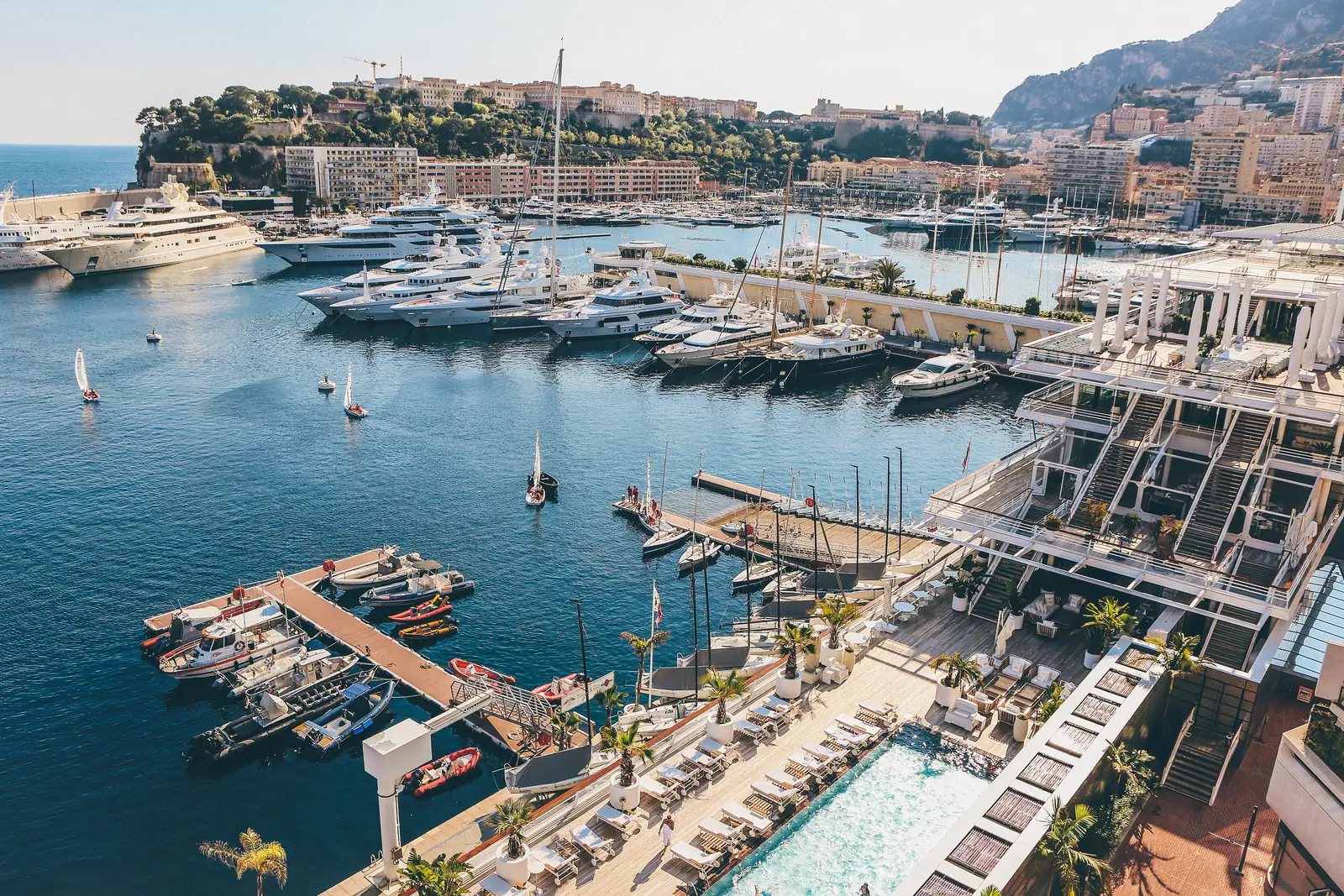
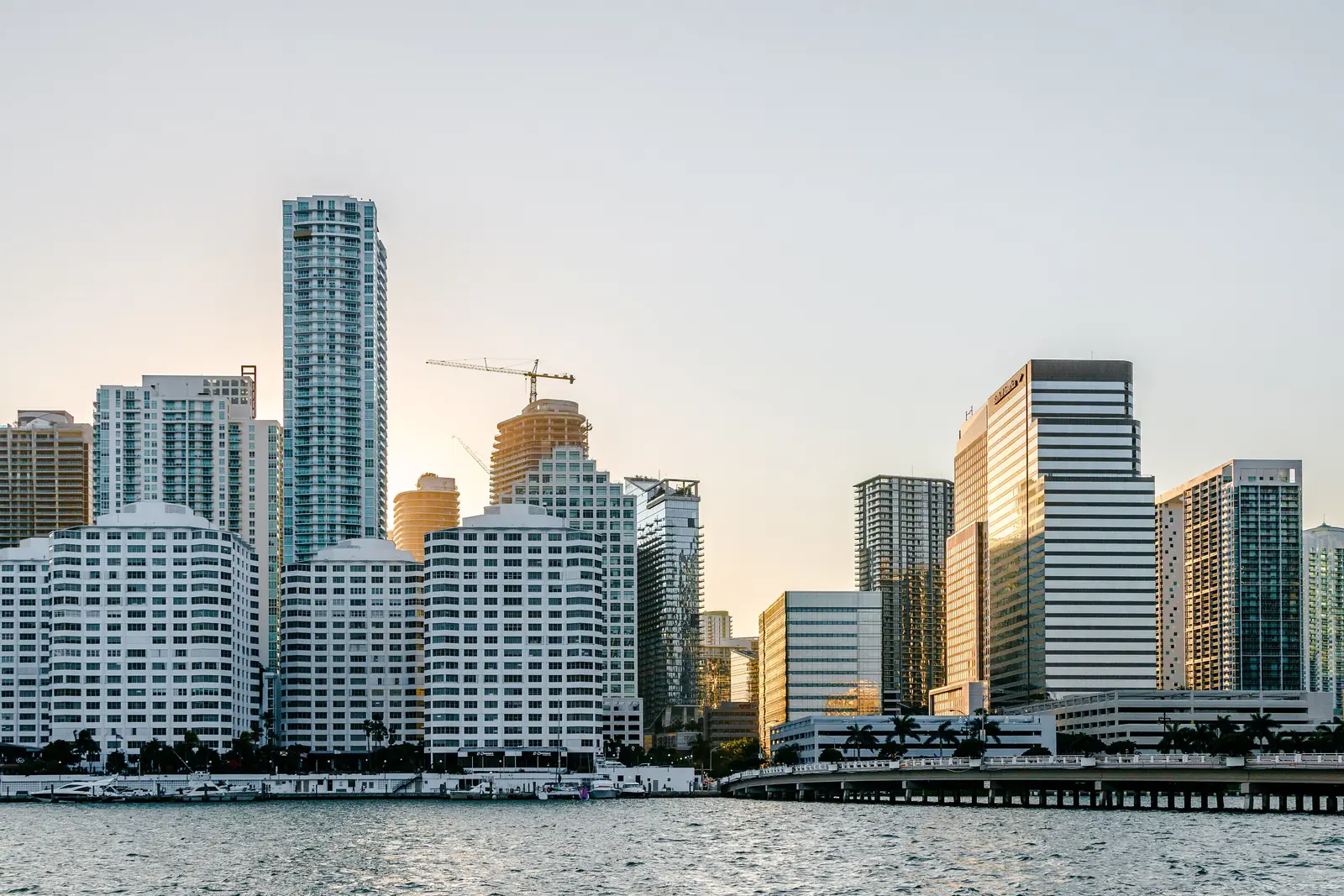
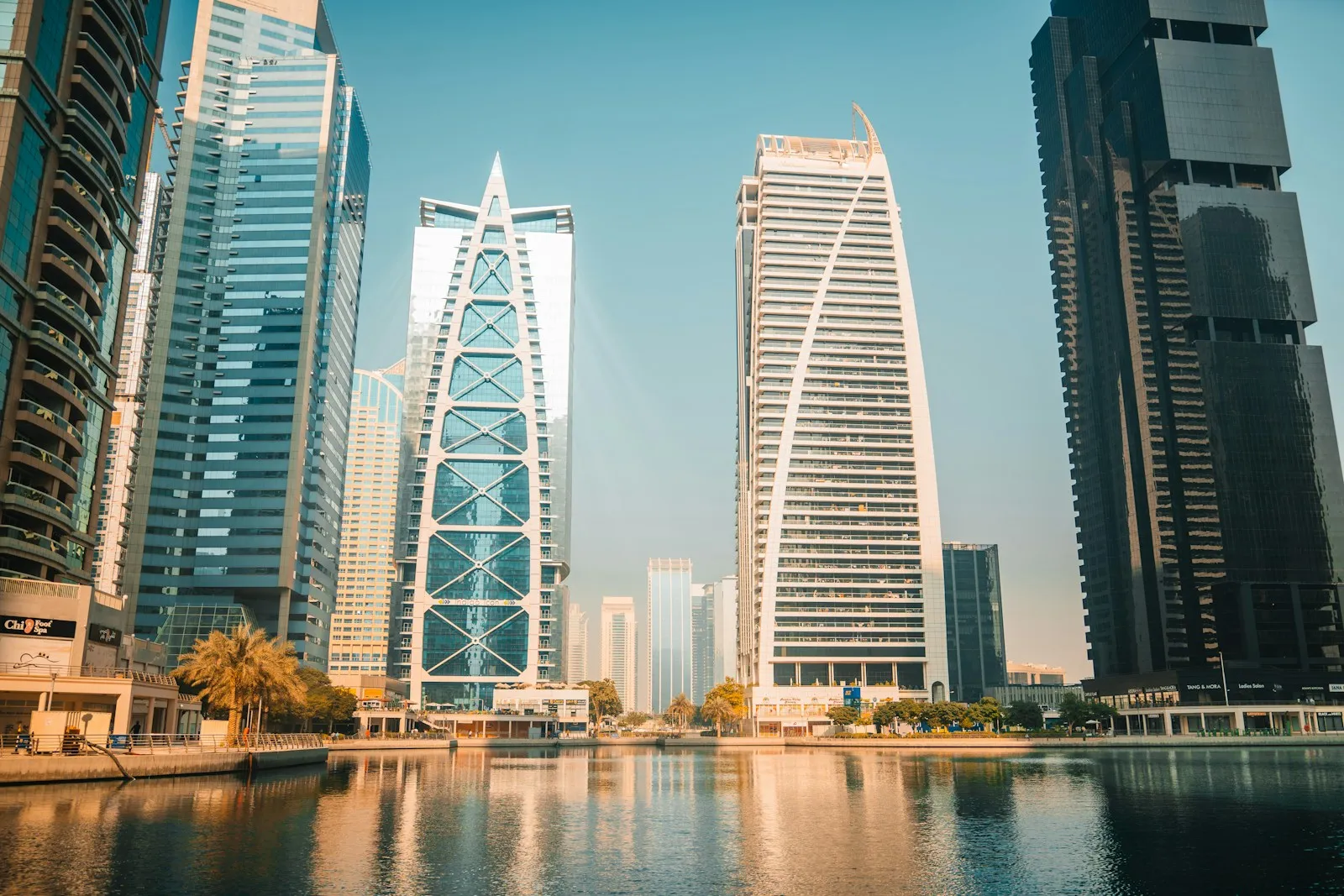
Monaco, Miami and Dubai have little in common on a map, yet all three have made the residential tower the ultimate address of luxury. One builds upwards because land is rare, another because the water is everywhere, the third because height itself is the signature. Here is how each city lives in the sky, and what it takes to furnish a tower residence in three very different climates.
Why luxury went vertical
For a long time, the most prestigious home was a villa: land, a garden, a gate. In the world’s most sought-after cities, that model has been joined, and often overtaken, by the residential tower. The reasons are the same everywhere. Land close to the sea or the city centre is scarce and expensive; international buyers want homes that are secure, serviced and easy to leave for months at a time; and a high floor offers what no garden can, an unobstructed view of the horizon.
The luxury tower has also changed in nature. It is no longer an apartment block with a lift, but a complete way of life: concierge and hotel services, spas and pools, private lifts, terraces that work as outdoor living rooms, and increasingly the name of a hotel group, a fashion house or a carmaker on the façade. Monaco, Miami and Dubai each express this evolution with their own accent.
Monaco: scarcity and discretion
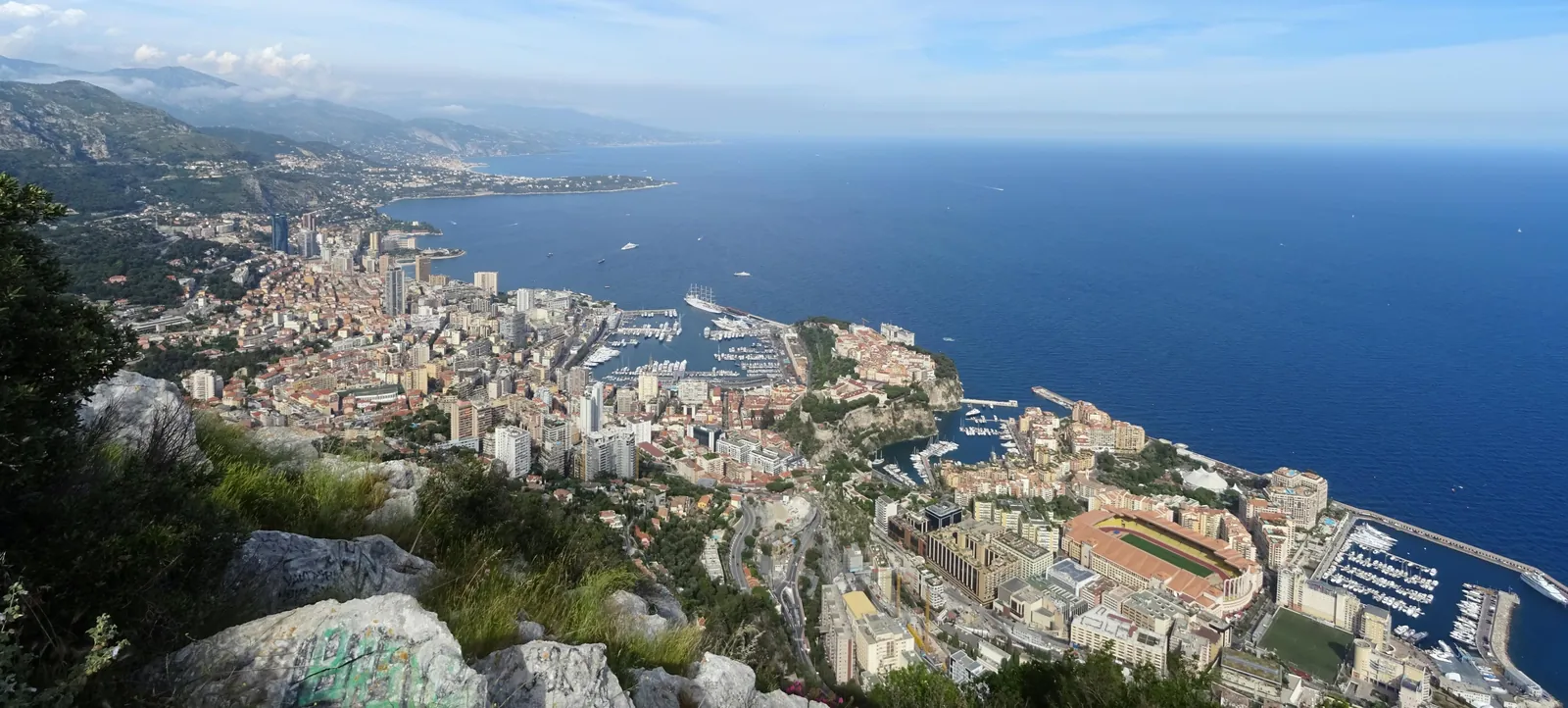
In a country of roughly two square kilometres, squeezed between the Maritime Alps and the Mediterranean, every new home must be found by rebuilding, by reclaiming land from the sea or by building higher. The Principality’s latest extension, Mareterra, added around six hectares at the Anse du Portier and was inaugurated in December 2024, yet it was deliberately conceived as a low-rise district, which only underlines how precious every vertical metre remains elsewhere.
The tallest building is the Tour Odéon, 170 metres over 49 floors, delivered in 2015 in La Rousse – Saint-Roman, with private residences, a spa, an indoor pool and a multi-level Sky Penthouse at the top. It stands in a skyline shaped since the 1960s by landmarks such as Le Millefiori (111 metres, 1969) in Monte-Carlo. Prices reflect the scarcity: according to the 2025 Real Estate Observatory of IMSEE, the average price reached €57,569 per square metre.
What defines Monaco is scale. A tower here is never anonymous: it is part of an intimate city, minutes from the port, the Casino and the beaches, where discretion matters as much as the view. Read more in our article on luxury residential towers in Monaco.
Miami: the branded waterfront
In barely a generation, Miami has moved from a resort city to a vertical one. Brickell and Downtown have filled with high-rise condominiums, Edgewater has grown along Biscayne Bay, and the barrier islands of Miami Beach and Sunny Isles Beach carry a line of towers facing the Atlantic. International demand and taxation both play a role: Florida levies no state personal income tax on individuals, a point widely cited by households relocating to the state, although federal taxes still apply.
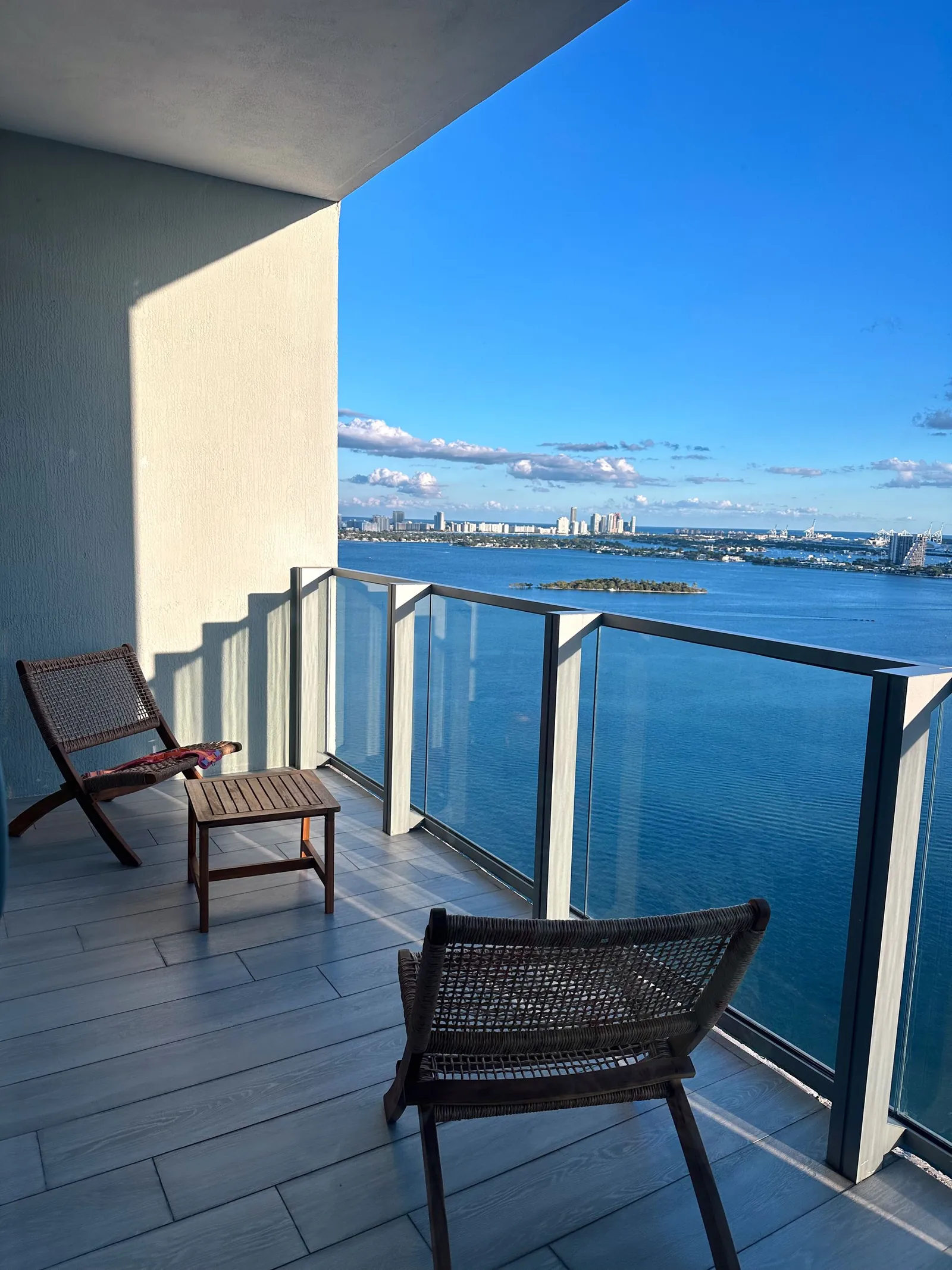
Miami’s signature is the branded residence. The Aston Martin Residences, 66 storeys and about 250 metres on Biscayne Boulevard Way, was completed in 2024. In Sunny Isles Beach, the 60-storey Porsche Design Tower, completed in 2017, carries residents seated in their cars up to garages beside their apartments, while the same developer is building the Bentley Residences, planned for 216 residences and expected in 2028. Downtown, the Waldorf Astoria Hotel & Residences, listed by the CTBUH at around 317 metres, is set to become the city’s first supertall on completion, also expected in 2028.
Here the brand sets expectations for materials and service, and the relationship with the water, from the balcony to the pool deck and the marina, is part of daily life. Read more in our article on luxury residential towers in Miami.
Dubai: height as a signature
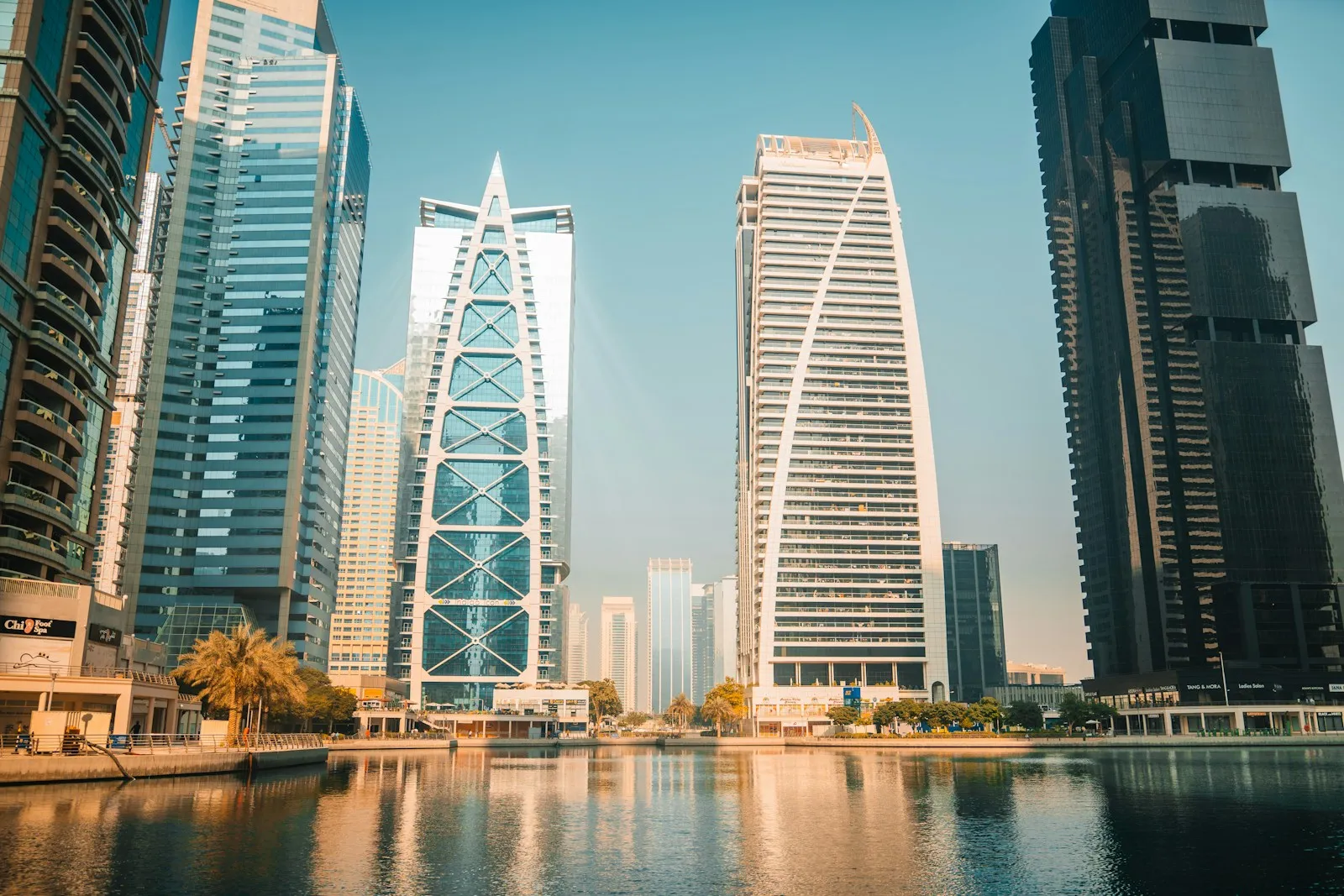
Nowhere does the tower define the luxury market as completely as in Dubai. From Downtown and Business Bay to Dubai Marina, JBR, Palm Jumeirah and Dubai Creek Harbour, high-rise living is the norm rather than the exception. Foreign nationals can hold freehold title in designated areas under Law No. 7 of 2006, and the UAE Golden Visa offers ten-year residence to investors owning property worth at least AED 2 million, subject to conditions. According to Dubai Land Department data reported by Gulf News, property sales reached a record AED 682.5 billion in 2025.
The Burj Khalifa, 828 metres and 163 floors, has been the world’s tallest building since 2010 and houses around 900 homes between levels 19 and 108. In Dubai Marina, Select Group and Six Senses are building Six Senses Residences, planned at around 517 metres and 122 storeys and set to become the world’s tallest residential tower on completion, expected in 2028. At the other end of the scale, the 27-storey Bvlgari Lighthouse on Jumeira Bay Island will hold fewer than forty residences, proof that in Dubai exclusivity is also measured by rarity. Read more in our article on luxury residential towers in Dubai.
Key facts
- Monaco · tallest towerTour Odéon · 170 m · 49 floors · 2015
- Monaco · average price, 2025€57,569 per m² (IMSEE)
- Miami · tallest projectWaldorf Astoria Hotel & Residences · about 317 m · expected 2028
- Miami · completed in 2024Aston Martin Residences · 66 floors · about 250 m
- Dubai · tallest buildingBurj Khalifa · 828 m · 163 floors · opened 2010
- Dubai · property sales, 2025AED 682.5 billion (DLD)
Figures as published at the time of writing (October 2026).
Tel Aviv: the next vertical capital
Monaco, Miami and Dubai are not the only cities writing vertical stories. On the eastern Mediterranean, Tel Aviv has seen a new generation of residential towers rise along its seafront and around its business districts, attracting local and international buyers in search of views, services and security. For anyone who wants to explore this market, TLV Towers, a guide to Tel Aviv’s luxury residential towers, presents the city’s most emblematic buildings and the residences available in them.
The comparison is instructive. Like Monaco, Tel Aviv is a Mediterranean city where the sea is the horizon of every high floor; like Miami, it lives outdoors on its balconies and beaches; like Dubai, it has made the tower a symbol of its ambition. For owners who move between these cities, expectations converge: craftsmanship, materials that age well, and interiors that feel personal rather than generic.
Furnishing a tower in three climates
The three cities share the same architectural typology but expose furniture to very different conditions. A successful interior starts by reading the climate and the building, then designing for both.
Mediterranean: salt, wind and light
In Monaco, terraces face salt air, strong gusts at altitude and relentless UV. Outdoor-grade teak, marine-grade powder-coated aluminium, stainless steel and natural stone perform well, combined with solution-dyed fabrics and quick-dry foams, while weight and fixing points keep pieces stable in the wind.
Tropical: humidity and hurricane season
In Miami, heat, high humidity and salt combine with constant air conditioning indoors, which can stress solid wood and veneers, so stable constructions and well-sealed finishes matter. The Atlantic hurricane season runs from June 1 to November 30, and many condominium associations require outdoor furniture to be brought in or secured when a storm approaches: pieces should be easy to move, with cushions that can be removed quickly.
Desert: heat, sand and air conditioning
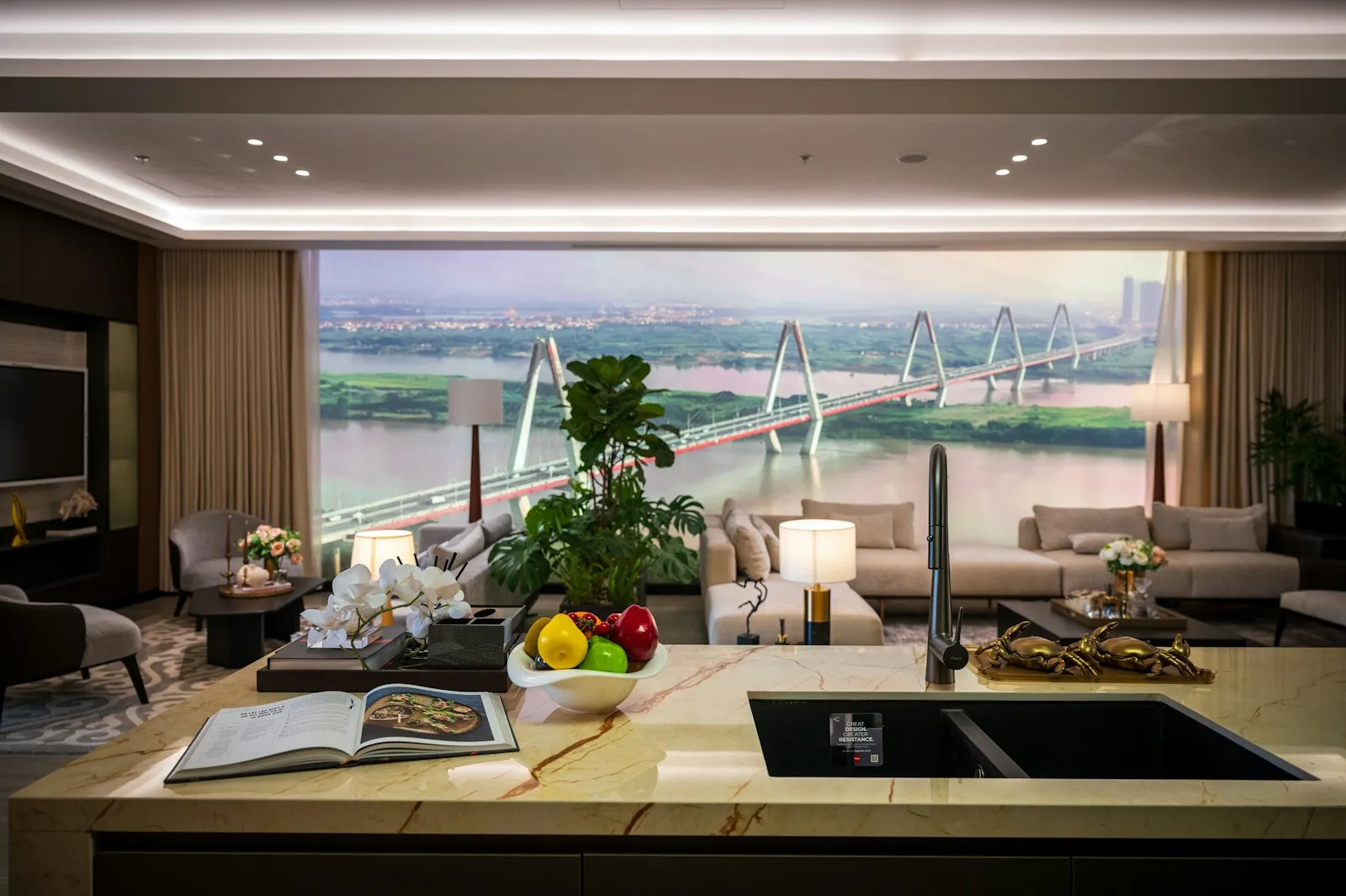
In Dubai, summer temperatures approach 50°C and fine sand finds its way everywhere, while interiors stay cool and dry all year. Kiln-dried, stabilised timbers, engineered cores with fine veneers and UV-resistant fabrics are essential indoors. On terraces, light-toned aluminium, teak and stone tops limit heat build-up, and shade is designed from the start.
The same logistics everywhere
Whatever the city, every piece must travel through the building. Service lift, door and corridor dimensions are surveyed before drawings are final, delivery slots and permits are booked with building management, and large sofas, tables or headboards are designed in sections that assemble invisibly on site. Our residential furniture service designs each piece for the exact space it will occupy, our outdoor furniture service is dedicated to terraces and sky gardens, and our hospitality furniture service works with hotels and branded residences on lobbies, amenities and model apartments.
The SOLIA approach
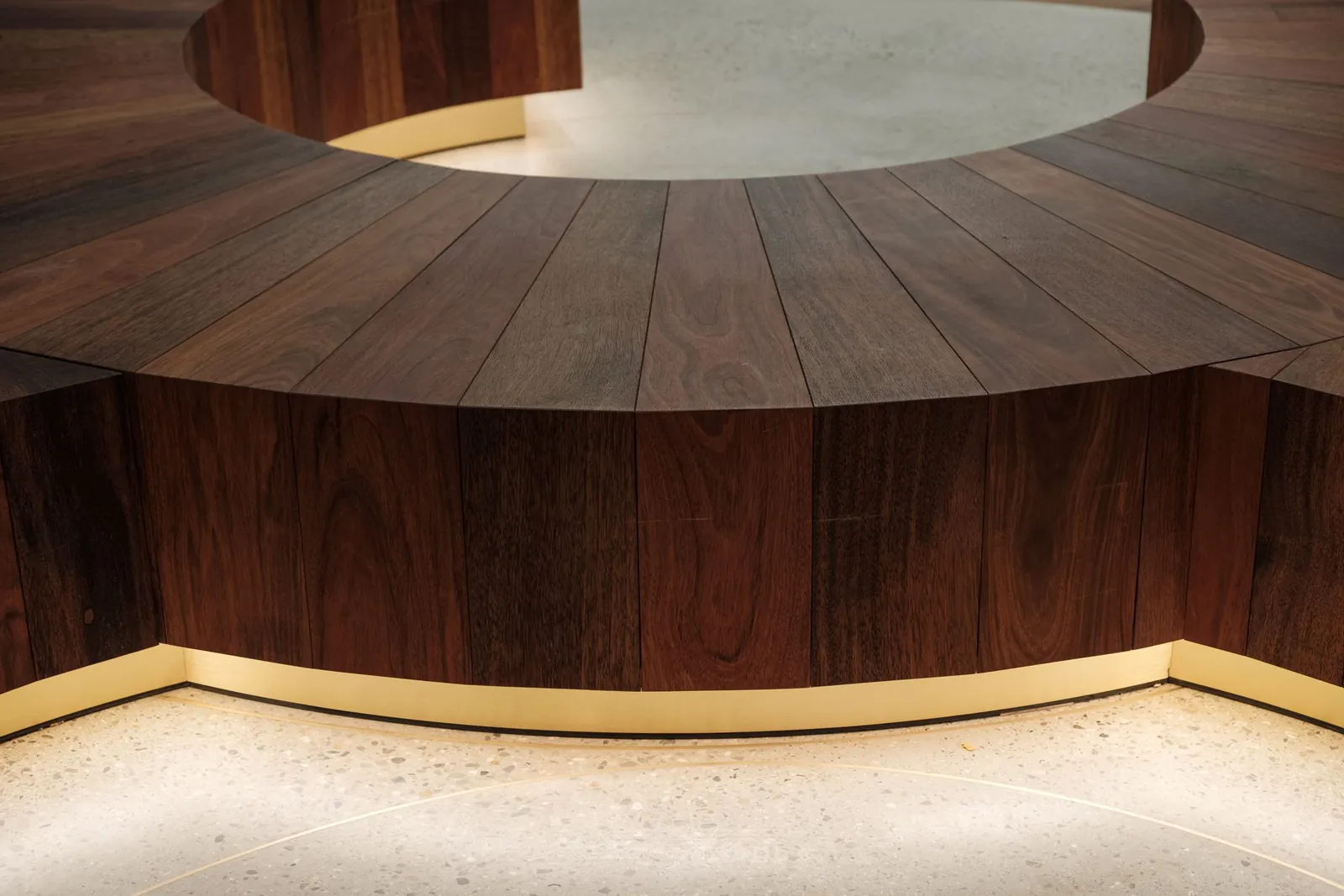
SOLIA designs and manufactures high-end bespoke furniture for private villas, residences, luxury hotels, restaurants and outdoor spaces, with projects across the Côte d’Azur, Monaco, Dubai, Qatar and Saudi Arabia. Our portfolio includes the Dining Pavilion, Monaco and the rooftop lounge of Sky Terrace, Dubai Marina. For a tower residence, our method follows four steps:
- Project brief. We study plans, views, climate exposure and the building’s rules, and survey access routes before any design is fixed.
- Design and development. Drawings, materials and samples are developed with you, your architect or your interior designer, with each piece dimensioned for its space and its journey.
- Manufacturing. Every piece is made in our partner workshops in France, Italy and Portugal by cabinetmakers, upholsterers and stone and metal specialists.
- Delivery and installation. We coordinate crating, international freight, building access and on-site assembly, and hand over a residence that is ready to live in.
Discover our full range of services, learn more about SOLIA, or browse our projects to see how we work with residences, hotels and outdoor spaces.
Frequently asked questions
It depends on the climate. Seafront terraces in Monaco call for teak, marine-grade aluminium, stainless steel and stone that resist salt and wind. Miami adds humidity and hurricane season, so stable constructions, sealed finishes and easy-to-store outdoor pieces matter. In Dubai, stabilised timbers, UV-resistant fabrics and materials that limit heat build-up are essential.
SOLIA manufactures in France, Italy and Portugal and organises crating, international freight and delivery for projects abroad. Lead times depend on the scope, the materials and the destination; the schedule is confirmed once drawings and samples are approved and planned backwards from the date the residence must be ready.
Yes. SOLIA designs and manufactures bespoke furniture for hotels and residences, from prototypes approved by the brand to series production for apartments, lobbies and amenity floors, built to hospitality standards of durability and maintenance.
Yes. SOLIA offers a turnkey service: project brief, design and development, manufacturing, then delivery within the building’s rules and on-site assembly, so the residence is handed over ready to live in.
Furnishing a tower residence?
Monaco, Miami or Dubai: tell us about your apartment, its views and its constraints. Our team will come back to you with a first approach.